Agate
Agate stone - a semi-precious stone that is not only beautiful, but also full of history and meaning. In this post, we dive into the enchanting world of agate and explore its many facets: from its geological formation and varied appearance to its cultural significance throughout the ages.
Agate is more than just a gemstone; it is a story about nature's artwork and humanity's ability to transform this raw beauty into something even more captivating. So whether you love working with agate in your jewelry making, are a collector, or are simply curious to learn more about this colorful stone's history and properties, you have come to the right place. Let's embark on this journey of discovery together and explore everything agate has to offer.
Three quick facts about Agate
Unique properties and formation: Agate is a type of chalcedony, a form of quartz, and is characterized by its layered structure, which creates bands of colors and translucency. Agate forms in cavities in ancient volcanic rocks, and it can take up to 50 million years for an agate to form.
Historical significance: Agate has been used and valued for thousands of years. It was first found by the Achates River in Sicily, which gave it its name. In various cultures, agate has been used for its supposed protective and healing properties. For example, it was often worn by ancient sailors as amulets, in the belief that they protected against dangers. Agate has also been used in the art of carving hard stones, with artifacts dating back to ancient Mesopotamia.
Metaphysical properties: Agate is often associated with balance, stability, and strength. It is considered a grounding stone with stabilizing and strengthening effects.
Agate: A semi-precious stone with historical and cultural richness
A journey through time: Agate's history is as colorful as the stone itself, stretching back over 3,000 years in time. This semi-precious stone's popularity began to grow, and one of the reasons for this is due to its properties of protection, strength, and healing.
Treasure of the past: During the Renaissance, agate gained a special place in the hearts of Europeans. Skilled craftsmen of this era transformed agate into unique works of art, large and small, highlighting its captivating beauty and versatility.
A cultural connection: Throughout history, agate has been a significant part of many cultures. In ancient Babylon, it was used to create protective amulets. The Mesoamerican people valued it for its role in ceremonial masks and other artifacts. Agate's unique patterns and colors have always been associated with myths and legends, often relating to fertility, harmony, and protection against negative energies.
Modern spirituality and healing: In modern times, agate has become an integral part of spiritual practices and holistic healing. Its inherent beauty and metaphysical properties continue to inspire and enrich lives around the world.
Cultural and historical heritage: The earliest known carved agates originate from Mesopotamia. Both the Greeks and the Romans recognized agate's value, using it in signet rings and tableware. Today, agate is still a favorite among stone carvers, due to its appeal and lasting demand/popularity among people worldwide.

Where does Agate come from?
Worldwide distribution: Agates are found in many different parts of the world. Here is an overview of some of the most notable agate mines:
USA: With large deposits of agate, the USA is one of the leading sources of this semi-precious stone. The country's geological diversity contributes to a wide range of agate types.
Brazil: Known for its rich collection of agate types and colors, Brazil is a significant producer of agate. Brazilian agate is recognized for its unique beauty and quality.
Mexico: Mexico is particularly famous for its production of fire agate, a unique type of agate that is highly sought after due to its exceptional appearance and rarity.
India: India contributes to the agate industry with various varieties, including colorful and banded agates, which are often used in jewelry making.
Agate types and their meanings
A spectrum of agate types: The agate gemstone comes in a multitude of types, each with its own unique characteristics and meanings. Here is an overview of some of the most common agate types:
Blue Lace Agate: This type of agate is known for its calming properties. It is often associated with communication and spiritual growth, making it popular among those seeking inner peace and clarity.
Botswana Agate: This variant is said to offer stability and protection. It also promotes creativity and emotional healing, making it ideal for personal growth and artistic inspiration.
Crazy Lace Agate: Known for its association with joy, vitality and optimism. It is often used to encourage laughter and balance in life, giving it a special place in many hearts.
Dendritic Agate (the Stone of Abundance): This agate is synonymous with abundance, prosperity and growth. It is often used to attract positive energy and promote personal development.
Fire Agate, also known as Fire Agate: Associated with courage, protection and strength. It is said to ward off negative energy, making it a powerful stone in challenging times.
Banded Agate, also known as Fortification Agate: Known for its characteristic banded pattern. This agate is often used to create stability and grounding, helping to keep your feet firmly planted on the ground.
Iris Agate: This type is associated with hope, balance and positive energy. It is said to be helpful in overcoming challenges, making it a stone filled with optimism.
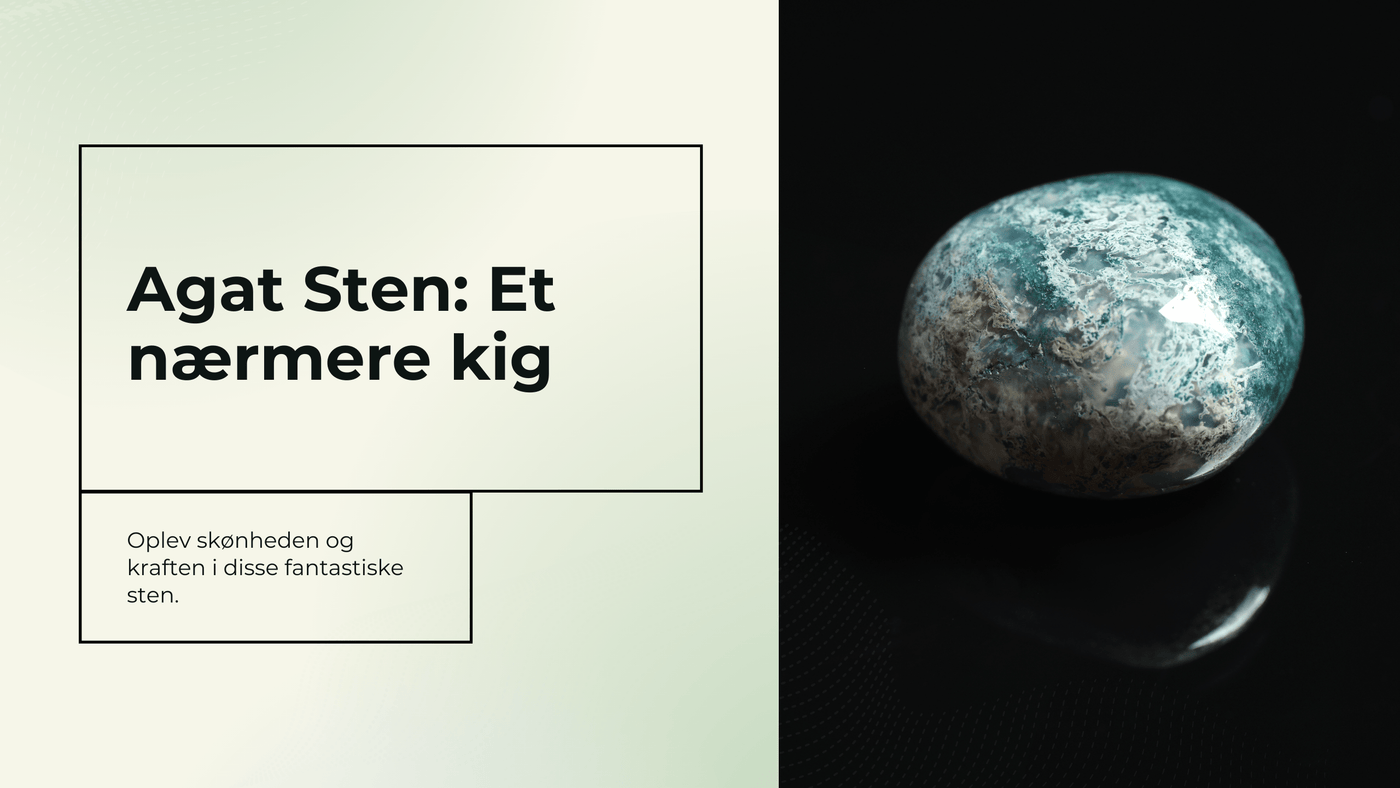
Moss Agate: This agate is closely connected to nature and symbolizes abundance and healing. It is said to improve emotional balance and endurance, making it a stone for calm and resilience.
Each type of agate gemstone has its own special charm and meaning, making them more than just beautiful stones; they are symbols of various aspects of human life and nature.
Value and Variations of Agate Stones
General value: The value of the agate gemstone varies depending on the type and is often modest. This value typically reflects more the work and craftsmanship involved in processing the stone than the material itself. This also means that the agate stone is an affordable choice for many who appreciate natural beauty.
Factors affecting the price: The value of an agate stone depends on a number of factors. Color, pattern, rarity and demand all play a role in determining a stone's value. Some varieties of agate can achieve higher prices on the market due to their unique qualities and appearance. For example, agates that are large in size or have distinctive, fine or landscape-like color patterns can achieve higher prices. Their unique and captivating visual appeal makes them more sought after. Similarly, stones from special collector's sites are also more valuable due to their unique character and rarity.
Price range: The price of agate stones can vary significantly. For natural agate, prices start from a few dollars. However, special types such as Blue Lace Agate, Moss Agate, Dendritic Agate and Feather Agates can reach hundreds of dollars. These types are valued for their rare and striking properties.
Unique characteristics and rarity: It is the unique features and rarity of certain agate types that most often affect their value. Top-quality and rare agates, which are harder to find, are naturally priced somewhat higher due to their exclusivity.
The most sought-after varieties today
There are also other types of agate that capture the attention of collectors and enthusiasts. Iris Agate, Dendritic Agate, Blue Lace Agate, Moss Agate and Indian Agate are each sought after for their unique characteristics and beauty.
With us, you'll find all three varieties right here:
Blue Lace Agate: Click here
Indian Agate: Click here
Moss Agate: Click here
The world of the agate stone is filled with variations and types, and its many shapes and colors give us jewelry enthusiasts exciting possibilities when it comes to jewelry creations.
How to identify an agate stone
Characteristics and Composition: Agate stones are part of the chalcedony family, a group that includes various gemstones such as aventurine, bloodstone, carnelian, chrysoprase, jasper, and onyx. Agate is known for its distinct banded patterns, which give it a unique identity within the world of semi-precious stones.
Appearance and Transparency: Agate stands out with its varying levels of color and transparency. The stones can be more or less transparent, depending on their specific bands. These bands show clear layers, some of which may be more opaque than others, adding depth and character to the stone.
Colors and Patterns: The colors and patterns in an agate stone develop through various geological processes. These include the rock's geochemistry, groundwater content, pH levels, timeframes for crystallization, and geological activity. These factors contribute to creating a wide range of colors and patterns, making each agate stone unique.
Popular Types of Agate: There are many different types of agate, each with its own characteristics and colors. Some of the best-known types include:
Blue Lace Agate: Known for its soothing blue color.
Botswana Agate: Often has fine bands and a natural aesthetic.
Crazy Lace Agate: Is characterized by its complex and colorful patterns.
Dendritic Agate: Known as the Stone of Abundance, with tree-like patterns.
Fire Agate: Has a flame-like glow and play of color.
Stripe Agate Or Fortification Agate: Characterized by its distinct banded pattern.
Iris Agate: Radiates different colors, just like an iris.
Moss Agate: Resembles moss or landscapes in its structure and color.
Onyx Agate: Known for its deep, solid-colored tone and elegance.
Each type of agate offers its own unique beauty and charm, making them a fascinating and versatile gemstone for collectors and jewelry enthusiasts.
Why is Agate suitable for jewelry?
Strength and Durability: Agate has an impressive hardness of 6.5 - 7 on the Mohs scale. This indicates that agate has a moderate to high hardness. It also means that the semi-precious stone is strong enough to withstand everyday wear without losing its beauty.
Suitable for Various Jewelry: Thanks to its robust nature, agate is ideal for incorporating into a wide range of jewelry. This stone is perfect for rings, which are often exposed to more wear than other jewelry. It also adds a unique charm to pendants, earrings, and bracelets, where its durability ensures that the jewelry can be worn and enjoyed for many years.
Color and Shape: Agate's diversity in color and shape gives designers the freedom to create both bold and discreet jewelry designs. This stone can adapt to a wide range of tastes and styles, making it a versatile companion in the world of jewelry.
A Palette of Design Possibilities: Agate's unique aesthetic appeal brings a special charm to your jewelry. Thanks to its many shapes, colors, patterns, and types, agate is the perfect addition to, for example, elegant pendants, rings, bracelets, and necklaces - agate adds a touch of nature's art to every piece of jewelry creation.
How to clean and maintain Agate
Use warm soapy water: To clean agate gemstones, it is recommended to use lukewarm, soapy water and a soft brush. This is gentle and effective at removing dirt and grease.
Avoid harsh chemicals: It is important to avoid harsh chemicals when cleaning agate gemstones, as these can damage the stone's surface or finish.
Dry the stone thoroughly: After cleaning, the stone and any settings should be dried thoroughly before the jewelry is stored or worn again. This prevents water damage or stains.
Protect from sun and heat: Avoid prolonged exposure to direct sunlight and extreme heat, as this can affect the agate's colors and quality.
Storage: It is best to store agate jewelry in a fabric-lined box or wrapped in a soft cloth. This prevents scratches and damage to the stone.
-
Blue Lace Agate Beads – Faceted (3mm)
Regular price 89,00 DKKUnit price -
Heart-Shaped Crazy Agate Beads – Yellow, Faceted (6mm)
Regular price 99,00 DKKUnit price -
Crackle Agate Beads – Rondelle (14~15x9~10.5mm)
Regular price 199,00 DKKUnit priceLow stock (4 units) -
Dragon Vein Agate Beads – Green, Nuggets (12.5~17x11~20x6.5~11.5mm)
Regular price 159,00 DKKUnit priceVery low stock (1 unit) -
Dragon Vein Agate Beads – Blue, Nuggets (12.5~17x11~20x6.5~11.5mm)
Regular price 159,00 DKKUnit priceVery low stock (2 units) -
Dragon Vein Agate Beads – Blue, Lantern (19~20x14~16mm)
Regular price 199,00 DKKUnit price -
Dragon Vein Agate Beads – Cerise, Lantern (19~20x14~16mm)
Regular price 199,00 DKKUnit price -
Agate Beads – Brown, Round (8mm)
Regular price 69,00 DKKUnit price -
Agate Beads – Brown, Round (8mm)
Regular price 69,00 DKKUnit price -
Agate Beads – Yellow, Angular (18x13x5mm)
Regular price 99,00 DKKUnit price -
Moss Agate Beads – Faceted, Round (3mm)
Regular price 59,00 DKKUnit price -
Agate Beads – Color Mix, Faceted Round (7.5~8mm)
Regular price 69,00 DKKUnit price -
Moss Agate Beads – Green, Round (2mm)
Regular price 49,00 DKKUnit price -
-
Agate Beads – Crazy Agate, Faceted (8~9x7~8mm)
Regular price 119,00 DKKUnit price -
Striped Agate Beads – Green, Round (10mm)
Regular price 49,00 DKKUnit price -
Agate Beads – Blue, Round (10mm)
Regular price 49,00 DKKUnit price -
Agate Beads – Brown, Round (10mm)
Regular price 49,00 DKKUnit price -
-
Agate Beads – "Star Cut", Faceted, (10x9.5mm)
Regular price 69,00 DKKUnit price
Thank you for your time!
I hope you learned a little in today's blog post. If nothing else, I hope you found the post interesting.
It was lovely that you took the time to read along!
Andreas Bruhn
Uniq Perler