Free shipping on orders over 549 SEK.

The Fascinating World of Sodalite: A Comprehensive Guide

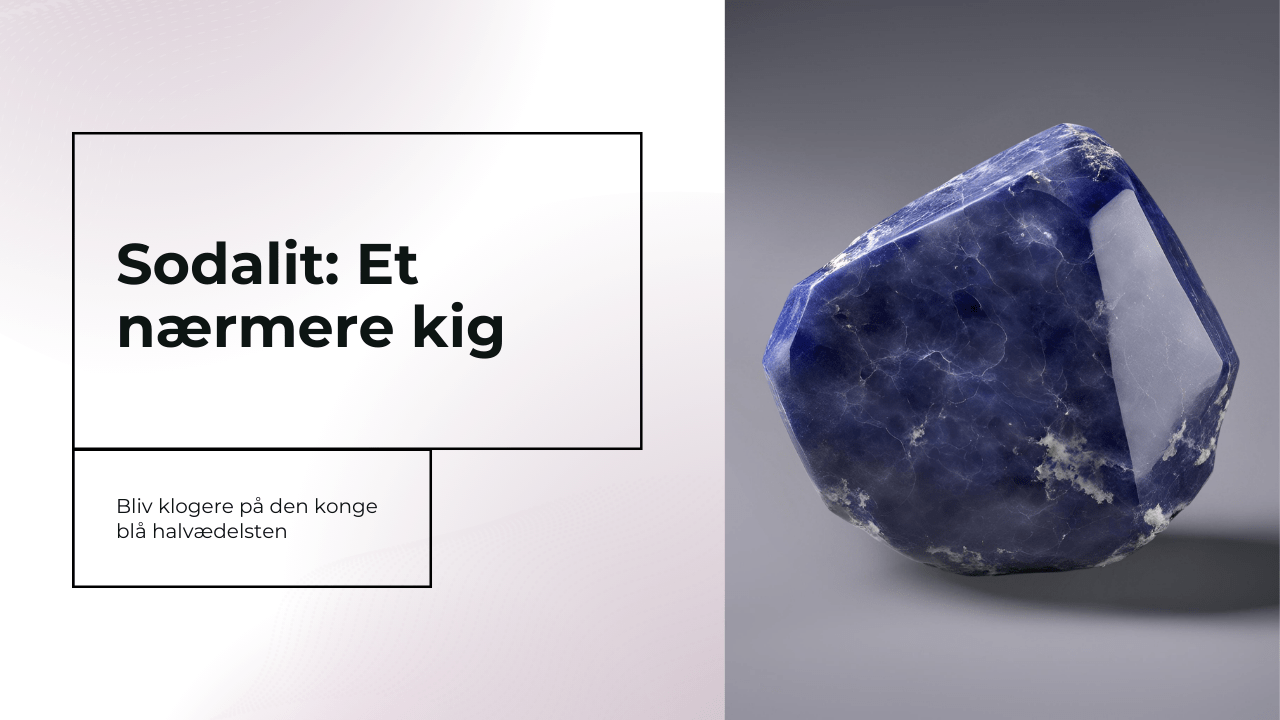
Sodalite is a fascinating mineral known for its deep royal blue color and is a sought-after gemstone in jewelry and decoration. This unique mineral is also found in shades of gray, yellow, green and pink, often marbled with white veins or spots, which contributes to its characteristic appearance. Sodalite was discovered in the early 19th century and quickly gained popularity, not only for its beauty, but also for its unique properties and uses.

What is a sodalite?

Sodalite belongs to the feldspathoid mineral group and is characterized by its high sodium content. The deep blue color is primarily caused by the presence of trapped sulfur clusters, which are integrated into its chemical structure. Despite its beauty, sodalite is relatively fragile with a hardness of 5.5-6 on the Mohs scale, making it less durable than other gemstones such as sapphires and diamonds.

One of the most fascinating properties of sodalite is its fluorescence. If you are lucky, shining UV light on a sodalite can cause the stone to fluoresce orange, a property that is clearly noticeable in dark surroundings. In addition, another sodalite variety known as Hackmanite can also change color when exposed to sustained sunlight.

Here is an overview of sodalite's key information:

Mineral: Feldspathoid (Na₈(Al₆Si₆O₂₄)Cl₂)

Hardness: 5.5-6 on the Mohs scale

Crystal system: Cubic

Colors: Blue, gray, yellow, green, pink, colorless, white, red

Luster: Glassy, dull

Transparency: Transparent to opaque

Origin: Canada (Ontario, Quebec), Namibia, Brazil, Russia, USA, Greenland, Afghanistan, Myanmar

Properties: Enhances communication, intuition, emotional balance, reduces stress and anxiety, promotes creativity and spirituality

Use: Jewelry (cabochons, beads, sculptures), decorative objects, crystal healing

Due to its beautiful appearance, sodalite is widely used in jewelry. Sodalite is commonly shaped into cabochons, beads and decorative objects. Lower-quality sodalite, which may display more marbled or less vivid colors, is often used in intarsia work, mosaics and as decorative stone in various architectural applications.

Sodalite's Fascinating Colors:

Sodalite is known for its deep royal blue color, but can also be found in a range of other shades, each bringing its own beauty and symbolism. These colors reflect sodalite's diversity and appeal within jewelry and decorations.

The Most Well-Known Sodalite Colors:

Blue: The most common color for sodalite, symbolizing peace, intuition and spiritual connection. Blue sodalite is said to strengthen communication and promote clarity and rationality.

Gray: A subtle and sophisticated color associated with balance and grounding. Gray sodalite can help stabilize emotions and promote a sense of inner calm.

White: Often marbled with blue, symbolizing clarity, purity and truth. White sodalite brings a sense of spiritual awakening and inner peace.

Other Sodalite Colors:

Pink: A rare color variation that symbolizes love, care and compassion. Pink sodalite can bring emotional support and promote self-acceptance.

Yellow: An energetic and uplifting color that symbolizes joy, optimism and creativity. Yellow sodalite can inspire new ideas and promote positive energy.

Green: A color that symbolizes growth, harmony and balance. Green sodalite can help bring stability and healing.

Mineral Content And Light Refraction:

Sodalite's color and appearance depend on several factors:

Mineral content: Sodalite is primarily composed of sodium aluminum silicate with chlorine (Na₈(Al₆Si₆O₂₄)Cl₂). The presence of sulfur clusters (S₃⁻ and S₄⁻) gives it its blue color.

Light refraction: Sodalite has a glassy and sometimes dull luster, and its structure can fluoresce orange under ultraviolet light. This fluorescence effect can highlight different shades depending on the angle of light.

Sodalite's Origin - Where Is Sodalite Found In The World?

Sodalite forms in silica-poor igneous rocks, such as nepheline syenites and phonolites. These geological environments create the necessary conditions for the mineral to crystallize. Sodalite is often found together with other minerals such as nepheline and cancrinite.

Sodalite is found in various parts of the world, and each region produces stones with unique shades and patterns. The most well-known sources of sodalite are:

Canada: Especially in Ontario and Quebec, where large deposits are mined. Sodalite from Canada is known for its deep blue colors and excellent quality.

Namibia: Known for sodalite with intense blue hues and often a more pronounced fluorescence under ultraviolet light. These stones are sought after for their clear color and fine structure​.

Brazil: Produces sodalite in various colors, including blue, gray, and green. Brazilian sodalite is often used in jewelry and decorative objects because of its beautiful play of color and patterns​.

Russia: Sodalite from the Kola Peninsula is famous for its varied colors and high quality. These stones are often used in artistic and decorative applications​.

USA: Deposits in Maine and Arkansas are known for their quality stones, which are used in both jewelry and decorative objects. American sodalite often has a clear blue color with white marbling​.

Greenland: Known for rare and beautiful sodalite stones that often have unique color patterns. Greenlandic sodalite is highly valued by collectors and in the jewelry industry​.

Afghanistan and Myanmar: These regions produce sodalite with special color tones and qualities that make them popular in the gemstone market​.

Types Of Sodalite And Their Geographic Origin:

Blue Sodalite: The most common type is found especially in Canada, Namibia, and the USA​.

Gray and Green Sodalite: Found in Brazil and Russia, these variations are often used for decorative purposes and artistic works​.

Pink Sodalite: Rarer color variations found in Brazil and Russia, known for their unique beauty and use in exclusive jewelry​.

Multicolored Sodalite: Stones with multiple colors, found in Greenland and Namibia, valued for their unique patterns and beauty​.

Hackmanite: A sulfur-containing variant of sodalite, known for its tenebrescence, the ability to change color when exposed to sunlight or ultraviolet light. Hackmanite is found in Greenland, Canada, Russia, Afghanistan, and Myanmar. This type is particularly valued by collectors because of its rare and fascinating property​.

Sodalite's Meaning And Properties

Sodalite is known for its many metaphysical and healing properties, which have made it a popular stone among crystal users and collectors. Here is a more detailed look at the most commonly associated properties:

Communication: Sodalite is said to enhance communication and help express thoughts and feelings clearly. It can support those who need to strengthen their ability to communicate effectively, especially in public speaking or difficult conversations.

Intuition: Sodalite is associated with strengthening intuition and inner wisdom. It can help open the mind to new ideas and promote deep inner reflection, making it a useful stone for those seeking spiritual growth and insight.

Emotional balance: Sodalite has a calming effect on the mind and can help reduce stress, anxiety, and fear. It promotes emotional stability and calm, making it a good support during periods of emotional turmoil.

Rational thinking: Sodalite is known for strengthening logical thinking and rational decision-making. It can help structure thoughts and promote clarity, making it easier to solve problems and make well-considered decisions.

Self-confidence and self-acceptance: Sodalite is said to increase self-confidence and self-esteem. It can help promote a sense of self-acceptance and self-love, making it easier to stand by one's beliefs and act according to one's values.

Spiritual connection: Sodalite promotes spiritual awakening and connection to higher consciousness. It can help open up spiritual experiences and strengthen the connection to the spiritual plane, making it a valuable stone for those seeking to develop their spiritual practice.

Healing properties: Sodalite is said to have several physical healing properties, such as strengthening the immune system, regulating metabolism, and improving digestion. It can also help relieve throat problems and improve the function of the lymphatic system​.

Sodalite in jewelry making:

Sodalite is found in a wide range of jewelry, including necklaces, bracelets, rings and various earrings such as hoops and ear threads. Sodalite can be combined with other semi-precious stones to create unique and beautiful jewelry. Below you'll find 8 suggestions for how you can work with sodalite in your jewelry making.

1. Necklaces with sodalite:
Sodalite necklaces can range from simple beaded necklaces to more complex designs with pendants and charms. The deep blue color makes it perfect for statement pieces, which can be worn alone or layered with other necklaces.

2. Bracelets with sodalite:
Sodalite bracelets can be made in many styles, such as beaded bracelets, cuff bracelets and charm bracelets. Sodalite beads combined with silver or gold details can create an elegant and timeless look.

3. Rings with sodalite:
Rings with sodalite can be anything from simple rings to more detailed designs with intricate settings. Combinations with diamonds or other semi-precious stones can add extra elegance to your jewelry.

4. Earrings with sodalite:
Sodalite earrings come in many shapes and sizes, from small studs and ear studs to large drop earrings. They can be simple and minimalist or more detailed, often combined with other semi-precious stones to create a unique look.

5. Pendants with sodalite:
Sodalite pendants can be simple, highlighting the stone's natural beauty, or more complex with detailed settings and paired with other stones. They work well both as solo pendants and combined with other elements in a necklace or bracelet.

6. Brooches with sodalite:
Sodalite brooches can add a classic touch to any outfit. They can be simply designed or incorporated into more complex brooches with different combinations of gemstones.

7. Anklets with sodalite:
Sodalite can also be used in anklets to give a subtle pop of color to your outfit. The combination of sodalite beads with other small charms can create a light and feminine look.

8. Charms with sodalite:
Sodalite charms can be added to bracelets, necklaces or even bags to add a personal touch. The small stones can be simple or decorated with small metal details that give an extra flair to your charm.

Where can you buy sodalite stones in Denmark?

You can buy it from us. Here at Uniq Perler, we are a Danish supplier of jewelry materials and gemstones, where we also offer a beautiful selection of sodalite in various shapes, sizes and colors.

So if you're on the hunt for sodalite, check out our sodalite collection right here: Go to sodalite collection

Otherwise, you can also come and visit our physical store in Aalborg. Here you have the opportunity to personally pick out the perfect sodalite for your next jewelry project.

Click here to find our physical store

Leave a comment

Please note: comments must be approved before they are published.